
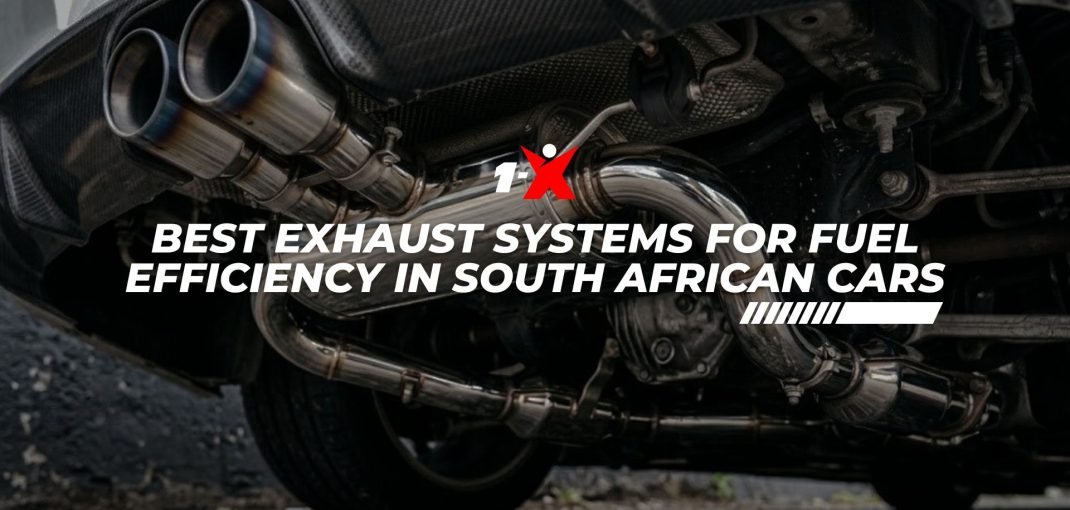
Fuel prices in South Africa are a constant pressure for everyday drivers. Whether you’re commuting through Johannesburg traffic, doing long highway runs, or managing a fleet, every litre counts. Most people look at driving habits or tyre pressure when trying to cut fuel costs. But your exhaust system plays a bigger role in fuel efficiency than most people realise.
At 1Exhaust, we build and fit performance exhaust systems that don’t just sound good. They help your engine run more efficiently. Here’s what you need to know.
How Does an Exhaust System Affect Fuel Efficiency?
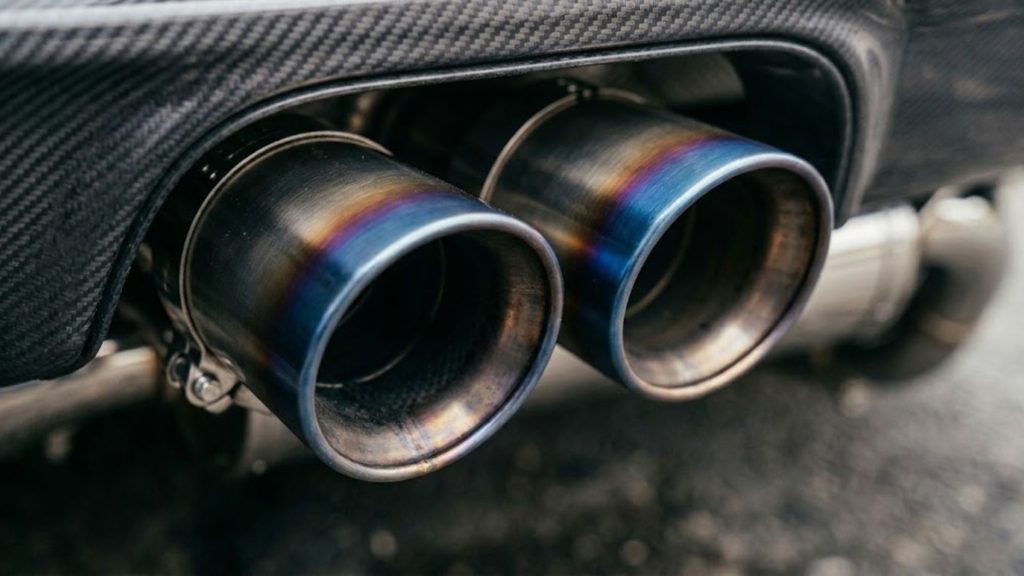
Your engine needs to do two things well: pull air and fuel in, and push exhaust gases out. When the exhaust side of that equation is restricted or inefficient, the engine works harder than it should. That extra strain translates directly into higher fuel consumption.
A well-designed exhaust system reduces back pressure, which allows exhaust gases to exit the engine more freely. When the engine doesn’t have to fight against its own exhaust, it operates more efficiently at lower RPM, uses less fuel to maintain speed, and produces better torque in the mid-range where most daily driving happens.
This is not a marginal gain. A poorly flowing exhaust on a common South African car like a Toyota Corolla, VW Polo, or Ford Ranger can measurably increase fuel consumption over time, especially once the original system starts corroding or becoming restricted.
What Type of Exhaust System Is Best for Fuel Efficiency?
Not all exhaust upgrades are built with efficiency in mind. Some are purely about sound or aesthetics. Here are the systems that genuinely contribute to better fuel economy:
Cat-Back Systems
A cat-back exhaust is the most practical upgrade for fuel efficiency on a daily driver. It replaces everything from the catalytic converter to the tailpipe with a freer-flowing design that reduces back pressure without touching the emissions-related components. It’s road-legal, straightforward to fit, and delivers real-world efficiency gains alongside a better exhaust note.
For South African drivers covering long distances on the N1, N3, or N14, a cat-back system is one of the smartest upgrades you can make.
Free-Flow Exhaust Systems
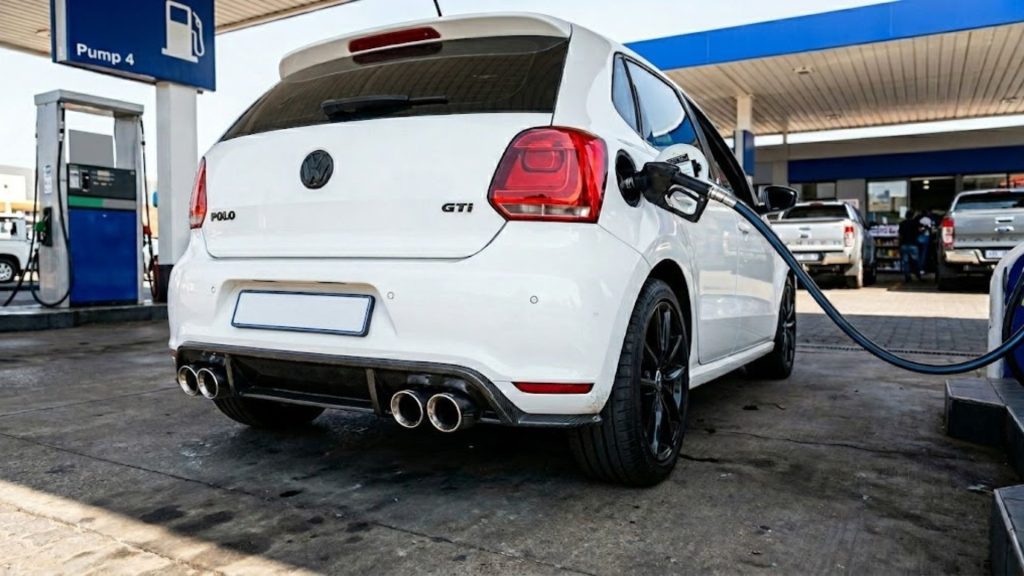
A free-flow system is designed to maximise exhaust gas velocity and minimise restriction throughout the entire system. These are particularly effective on turbocharged engines, which are increasingly common in the South African market. Models like the VW Polo GTI, Ford Ranger 2.0 Bi-Turbo, and Kia Sportage 1.6T all benefit noticeably from a free-flow setup.
Properly Sized Pipe Diameter
One of the most overlooked factors in exhaust efficiency is pipe diameter. Bigger is not always better. A pipe that is too large for the engine’s output actually slows exhaust gas velocity, reducing efficiency and killing low-end torque. At 1Exhaust, every system is sized to match the specific engine’s output rather than just going as large as possible.
For engines under 1,600cc, a 38mm to 50mm system is appropriate. For engines 2,000cc and above, 50mm to 63mm is the right range.
Does Exhaust Material Affect Efficiency?
Yes, indirectly. A corroded or damaged exhaust creates restrictions, leaks, and turbulence in the exhaust flow, all of which hurt efficiency. Mild steel systems corrode significantly faster in South Africa’s climate, particularly in coastal areas or regions with heavy rain.
A stainless steel system, specifically 409 or 441 grade, maintains its internal surface quality over time. A smooth internal surface means consistent gas flow and consistent efficiency for the life of the system. It’s not just a durability choice. It’s an efficiency choice.
Which South African Cars Benefit Most from an Exhaust Upgrade?
Almost any petrol or diesel car will see some benefit, but the gains are most noticeable on:
High-mileage commuter cars like the Toyota Corolla, VW Polo, and Suzuki Swift, where the original exhaust has started to degrade and restrict flow over time.
Turbocharged engines like those found in the Ford Ranger, VW Tiguan, and Hyundai Tucson, where exhaust flow directly affects turbo spool and engine efficiency.
Larger capacity bakkies like the Toyota Hilux and Ford Ranger, which are often loaded and driven hard. A properly flowing exhaust takes strain off the engine under load, which shows up clearly on fuel consumption.
Older vehicles where the original mild steel exhaust has thinned, corroded, or partially collapsed internally. Replacing these with a quality stainless system often produces an immediately noticeable improvement.
What About Keeping the Catalytic Converter?
For any road-legal build focused on fuel efficiency, the catalytic converter must stay in place. Removing it affects emissions compliance and can actually confuse your engine’s oxygen sensors, causing the ECU to run a richer fuel mixture than needed, which hurts fuel economy rather than helping it.
The cat-back approach, which leaves the cat intact and improves everything behind it, is the right call for a daily driver in South Africa.
The Bottom Line
With South African fuel prices showing no sign of settling, extracting maximum efficiency from your existing vehicle makes more sense than ever. A quality cat-back or free-flow exhaust system, properly sized and built from stainless steel, is one of the most effective and longest-lasting upgrades you can make to improve fuel economy on a real-world South African road.
At 1Exhaust in Kempton Park, we custom-build every system to suit your specific vehicle and driving needs. Contact us to book a consultation or get a quote. Our team will advise you on the right setup for your car, your budget, and the roads you drive every day.