
Whether you are chasing a deeper exhaust note, better flow, or simply need to replace a worn-out unit, understanding exhaust silencers is the first step to making the right call for your build.
What is an exhaust silencer?
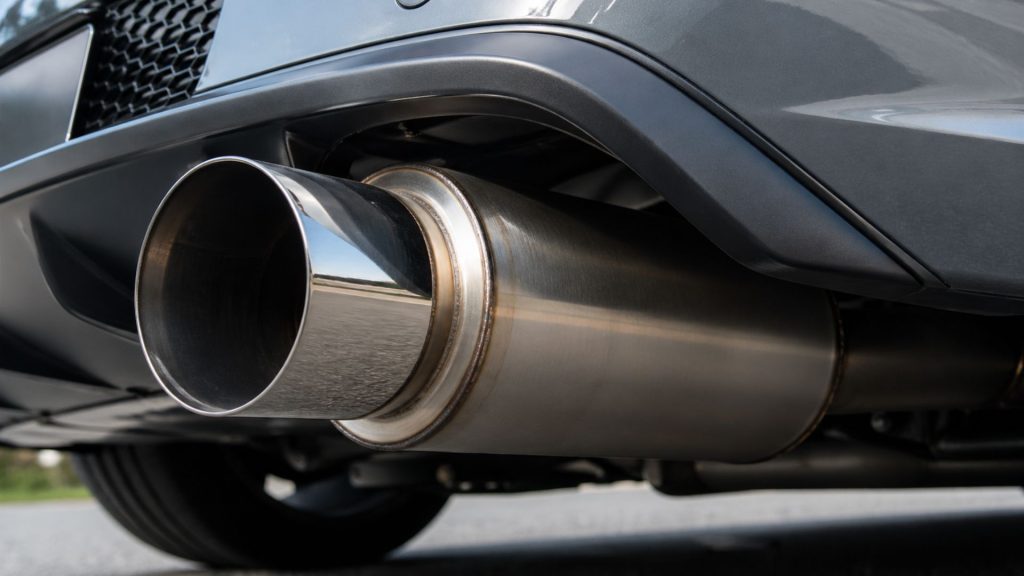
An exhaust silencer, commonly called a muffler, is a component fitted to a vehicle’s exhaust system to reduce the sound produced by the engine’s combustion cycle. But calling it just a noise reducer would be underselling it. A well-designed silencer also influences exhaust gas flow, which in turn affects engine breathing, torque, and overall performance.
When exhaust gases exit the engine’s cylinders, they carry a significant amount of energy in the form of pressure waves. Left unchecked, these pulses produce the loud, sharp crack you hear from an unsilenced engine. The silencer’s job is to manage, absorb, and redirect those pressure waves, turning raw combustion noise into something far more controlled.
How does an exhaust silencer work?
Most silencers use one of three core mechanisms, or a combination of them: absorption, reflection, and restriction. Absorption silencers line their internal chambers with sound-dampening material such as steel wool or fibreglass packing, which absorbs sound energy as gases pass through. Reflective (or reactive) silencers use a series of chambers and perforated tubes to bounce pressure waves against one another, causing them to cancel each other out. Restrictive silencers slow the flow of gases through baffles, which reduces noise but often at a cost to performance.
Performance-oriented silencers tend to lean heavily on the absorption principle, because it allows gases to flow more freely while still managing sound levels. This is an important balance for enthusiasts who do not want to trade power for quiet.
The different types of exhaust silencers
Not all silencers are built the same, and the right choice depends on what you want from your exhaust system.
Chambered silencers use a series of internal chambers separated by baffles to reduce sound. They produce a deep, aggressive tone that many car enthusiasts love, and are commonly found on muscle cars and performance vehicles. The trade-off is that they can create some back pressure depending on the design.
Straight-through or glasspack silencers have a perforated centre tube packed with sound-absorbing material. Because gases travel in a relatively straight path, there is minimal restriction, making them popular for performance builds. They produce a loud, sporty tone and are particularly effective when combined with a free-flowing exhaust system.
Turbo silencers route gases through a series of S-shaped passages, which increases the distance sound waves need to travel and reduces their intensity. Despite the name, they are not exclusive to turbocharged vehicles. They produce a moderate tone and are a solid all-round option for daily-driven cars.
Resonator silencers are often used in conjunction with the main silencer to further refine the exhaust note, eliminating specific frequencies that create unwanted drone. They are ideal if you want a clean, refined sound without killing the character of your exhaust.
Performance benefits of upgrading your silencer
One of the most common misconceptions about exhaust upgrades is that a silencer is purely about sound. While acoustics are a big part of it, the right upgrade can have a measurable effect on performance as well.
A restrictive OEM (original equipment manufacturer) silencer often creates back pressure that the engine has to work against. Replacing it with a free-flowing performance silencer reduces that restriction, allowing exhaust gases to exit the engine more efficiently. This improved scavenging effect can result in gains in power and torque, better throttle response, and in some cases improved fuel efficiency under normal driving conditions.
For turbocharged vehicles in particular, reducing exhaust restriction downstream of the turbocharger can help the turbo spool more efficiently, contributing to quicker boost response and a broader power band.
The extent of these gains depends on the rest of your exhaust setup. A performance silencer works best as part of a complete system, paired with a quality downpipe, mid-pipe, and ideally a high-flow catalytic converter if emissions requirements allow.
What to look for when choosing an exhaust silencer
Choosing the right silencer comes down to a few key factors: the sound level you want, the performance gain you are after, the diameter of your exhaust piping, and your budget.
Sound level is subjective, but it helps to listen to recordings of the specific silencer on a similar vehicle before committing. What sounds great on a V8 bakkie may be unbearable on a daily-driven hatchback. Most quality manufacturers specify a sound reduction rating, which can guide your decision if you need to comply with noise regulations.
Pipe diameter matters more than people realise. A silencer that is too small for your existing piping will create a bottleneck and undo any flow improvements. Always match or slightly upsize when upgrading. Common performance sizes range from 57mm to 76mm, with larger diameters used on high-output or modified engines.
Material is another consideration. Mild steel silencers are cost-effective but susceptible to rust over time, especially on vehicles driven in wet conditions or on coastal roads. Stainless steel options cost more upfront but offer significantly better longevity and maintain their appearance far longer.
Finally, consider the fitment. Universal silencers can be adapted to suit many applications but require more effort to fit correctly. Vehicle-specific silencers are designed to bolt directly onto your existing system, which makes installation straightforward and ensures the fit is correct first time.
DIY fitment: what you need to know
Fitting a silencer is one of the more accessible exhaust jobs for the home mechanic, provided you have the right tools and take the necessary precautions. You will need a jack and axle stands to safely elevate the vehicle, penetrating oil to loosen rusted clamps and hangers, and either a clamp-fit or weld-on connection method depending on the silencer you choose.
Clamp-on fitments are the easiest for DIY, as they do not require welding equipment. However, if you want a leak-free, permanent fit, especially on a performance build, a welded connection is the better option. If you do not have access to a welder, most exhaust fitment shops can do this quickly and affordably.
Always allow the exhaust system to cool completely before working on it, and inspect the surrounding rubber hangers and gaskets while you are at it. Replacing worn hangers at the same time as the silencer prevents rattles and reduces stress on the new component.
Legal considerations in South Africa
In South Africa, vehicles are required to comply with noise regulations under the National Road Traffic Act. While modified exhaust systems are legal, excessively loud vehicles can attract fines during roadside inspections or at test stations. As a general guideline, if your vehicle is noticeably louder than the same model in stock form, it may be worth checking whether your setup falls within the prescribed limits.
This does not mean you need to sacrifice performance or sound. It simply means choosing a silencer that strikes the right balance. Many performance silencers are designed specifically to provide a sportier note while remaining within acceptable noise thresholds.

Shop quality exhaust silencers at 1Exhaust
Whether you are building a track-focused setup, upgrading a weekend car, or simply replacing a deteriorated stock unit, having access to quality silencers makes all the difference. At 1Exhaust, we stock a wide range of performance silencers suited to various applications, from mild upgrades to full custom builds. Browse the full selection on our exhaust silencers page and find the right fit for your vehicle and budget.
Our team understands that no two builds are the same, and we stock options that cater to different pipe sizes, sound preferences, and performance goals. If you are unsure which silencer suits your setup, reach out directly. We are here to help you make the right call.
Ready to upgrade your exhaust note and improve flow? Browse our range of performance silencers and find the right fit for your build.Shop exhaust silencers at 1Exhaust →