Every December, thousands of South African bakkies and SUVs leave the cities with a caravan, a boat or a loaded trailer hitched behind them. Long climbs, hot tar, heavy loads and hours at steady engine speed make towing one of the hardest jobs a vehicle ever does. The engine works harder, the turbo works harder, and the exhaust system carries away the heat and gas that all that effort produces.
Owners who tow regularly often start looking at exhaust upgrades. Some of the claims made about them are sensible and some are exaggerated, so it pays to know what a performance exhaust can realistically do for a towing vehicle. This guide covers how towing affects the exhaust, what an upgrade changes, what it does not change, which vehicles suit it, and what to check before you buy and before you leave on holiday.
How Towing Affects Your Exhaust System
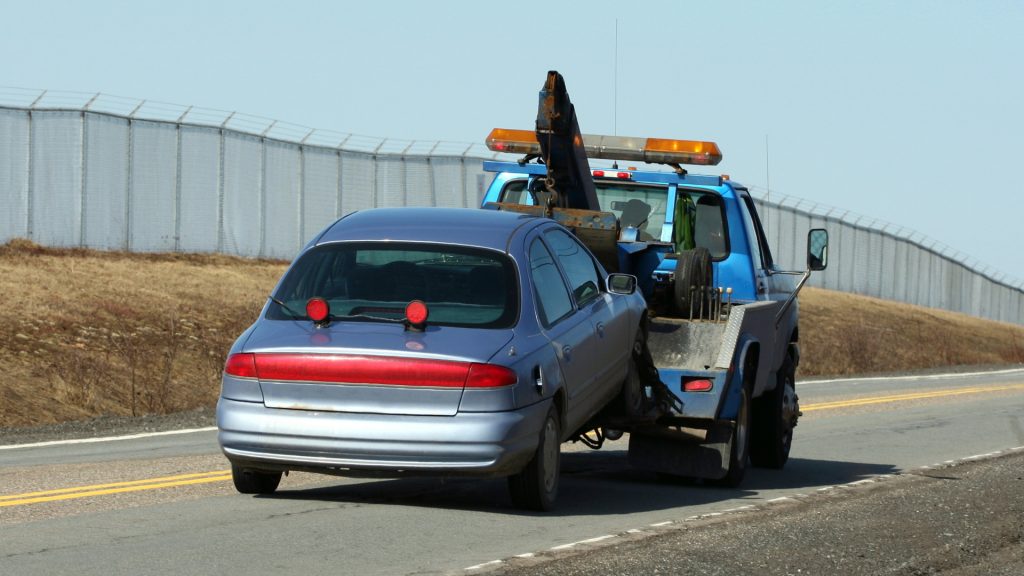
A vehicle pulling a heavy trailer spends much longer at high load than one driving around town. On a long climb such as Van Reenen’s Pass or the Long Tom Pass, the engine can run at high load for many minutes at a time. That has several effects on the exhaust.
Exhaust gas temperatures rise. The more fuel the engine burns to move the weight, the hotter the gas leaving the cylinders and passing through the turbocharger. On turbodiesels, which cover most towing vehicles in South Africa, sustained high temperatures put real stress on the turbo, the downpipe and the rest of the system.
Back pressure matters more under load. A restrictive factory exhaust makes it harder for gas to leave the engine, and when the engine is working flat out, that restriction costs more.
The system also vibrates and flexes. A towing vehicle carries extra weight on the rear axle, and the chassis moves more over rough roads. Brackets, hangers and joins take more punishment than they do in normal use.
What a Performance Exhaust Can Do for a Towing Vehicle
A well-designed performance system helps in a few specific ways.
It improves exhaust flow. A larger diameter pipe and a free-flowing silencer let gas leave the engine more easily, which reduces back pressure. On turbocharged engines this can improve how readily the turbo responds, which helps when you are pulling away with weight behind you or climbing a grade.
It can help manage exhaust gas temperature. Lower back pressure means the engine does not have to push as hard to clear its exhaust, and many owners who tow regularly value the extra thermal headroom on long climbs. The effect depends on the vehicle and the system, and it is best described as a helpful margin rather than a guarantee.
It adds durability. A system made from 409 and 441 grade stainless steel, such as the range 1Exhaust manufactures, copes with heat cycling and vibration far better than ageing mild steel. For a vehicle that spends weeks on the road, a system that will not corrode or crack is a real advantage.
It improves the sound. A deeper, more controlled exhaust note makes long drives more pleasant, provided the system is tuned to avoid drone.
What a Performance Exhaust Will Not Do
It is just as important to be clear about the limits, particularly where towing is concerned.
An exhaust upgrade does not increase your legal towing capacity. Your vehicle’s rated towing limit, gross vehicle mass and gross combination mass are set by the manufacturer and are based on the whole vehicle, including brakes, chassis and transmission. A new exhaust changes none of those. Never treat an exhaust upgrade as permission to tow more than the vehicle is rated for.
It will not transform engine output on its own. A cat-back exhaust on its own gives modest gains, and most owners notice the improvement in response and sound more than in outright power. Bigger gains come when the exhaust is part of a broader package that suits the engine.
It will not fix a problem elsewhere. Worn brakes, a tired suspension or a poorly loaded trailer will cause far more trouble on a long tow than any exhaust ever could.
Honesty on these points protects you. A supplier who promises dramatic towing gains from an exhaust alone is overselling.
The Best Type of Upgrade for Towing
Cat-Back Systems
For most owners who tow, a cat-back system is the right place to start. It replaces everything from the catalytic converter back, which improves flow while leaving the catalytic converter in place so the vehicle remains road legal. It is also the most straightforward to fit and the most widely available for popular South African vehicles. You can see the 1Exhaust performance systems range for what is available.
Downpipe Upgrades
On turbocharged vehicles, a downpipe upgrade works closer to the turbo and has a more direct effect on turbo efficiency and temperature. It is more involved than a cat-back and needs careful choice, particularly on modern vehicles with emissions equipment. It suits owners who want to go further and who understand the implications. Speak to the team before deciding.
Headers
Branch manifold headers improve flow at the source and are usually part of a more committed build. For towing alone, they are rarely the first step. The headers range is there if you want to discuss a larger package.
Vehicles Commonly Used for Towing
South African towing vehicles are dominated by a handful of platforms.
The Toyota Hilux is the country’s best-known towing bakkie, with the 2.4 and 2.8 turbodiesel engines used for everything from caravans to farm trailers. The Ford Ranger, including the 2.0 Bi-Turbo, is a close second and is popular with caravan and boat owners. The Isuzu D-Max and MU-X are favoured by commercial and farm users for their load-carrying ability. The VW Amarok, particularly the V6, tows strongly and is often used for heavier trailers. The Toyota Land Cruiser 79 Series, 200 Series and Prado are used for long distance and remote area towing, and the Fortuner and Everest are common family towing vehicles.
Fitment depends on the exact model, engine and year, so always confirm with the supplier before ordering. The 1Exhaust shop has a vehicle selector, and the team can confirm what is available for your vehicle.
Practical Considerations Specific to Towing
Towing creates a few exhaust issues that do not apply to a normal vehicle.
Tow bar clearance is the most important. The tailpipe exit and the rear section of the system sit near the tow bar and the hitch. A system that exits at the wrong angle or hangs too low can foul the tow bar, the hitch or the trailer’s jockey wheel when the vehicle is hitched, or can direct hot gas toward a trailer, a boat or a plastic coupling. Confirm that the system is designed to work with a tow bar fitted.
Heat near the trailer matters as well. Exhaust gas is hot, and a tailpipe that points at a trailer’s front panels, wiring or a boat’s hull can cause damage over a long journey. Check where the exit sits relative to your usual trailer setup.
Ground clearance is worth thinking about. A loaded vehicle sits lower at the rear, and a system routed too low can scrape on steep driveways, uneven roads and river crossings.
Drone is the final consideration. On a long tow, you may spend hours at a steady speed, and a system with a drone at that speed becomes very tiring. Ask how the system behaves at highway cruising speed and under load, not just at idle.
Material and Build Quality
A towing vehicle puts a system under more stress than a daily driver, so quality counts for more.
Stainless steel is the right material for South African conditions. It resists corrosion and handles thermal cycling better than mild steel. 1Exhaust builds its systems from 409 and 441 grade stainless steel, manufactured in-house at its Isando facility using on-site laser cutting, mandrel bending and twelve dedicated welding bays.
Mounting quality matters as much as the pipework. Brackets and hangers designed for the specific vehicle hold up far better to the vibration and flex of a loaded vehicle than universal parts adapted to fit.
A warranty is a sensible indicator of confidence. 1Exhaust backs its systems with a 5-year warranty.
Before the Holiday Trip: An Exhaust Checklist
Whether or not you upgrade, a quick check before a long tow is worth the time.
Look under the vehicle for rust, cracks or holes along the system, particularly around the joins. Check the rubber hangers for cracking or sagging, and make sure all the brackets are secure. Listen for any new ticking, rattling or hissing, especially from a cold start, which can mean a leaking gasket. Check that the tailpipe sits clear of the tow bar and the hitch when the trailer is connected. And if you notice any smell of exhaust in the cabin, have the vehicle inspected before you leave, because that can indicate a leak.
Our exhaust maintenance guide explains more about what to look and listen for.
Planning Your Order Around the Holidays
If you want an upgrade fitted before your trip, timing matters. Order early, allow time for delivery, and book a fitment centre well in advance, since workshops fill up quickly in December. Nationwide delivery is available across South Africa, with free delivery on orders over R10 000. Instalment payments through Float let you spread the cost over up to four months interest-free.
If you are not sure which system suits your vehicle and the way you tow, call the team on 082 416 7711 or send a WhatsApp message before you order. The contact page is also available.
Final Thoughts
A performance exhaust will not make a vehicle tow more than it is rated for, and it should never be treated as a substitute for proper maintenance, good brakes and a correctly loaded trailer. What it can do is help the engine breathe more easily under sustained load, add a margin for heat, replace an ageing system with one that will last, and make long drives more pleasant.
For owners who tow regularly, a quality cat-back system in stainless steel, fitted correctly and checked against the tow bar and trailer setup, is a sensible and practical upgrade.
Browse the range at 1-exhaust.co.za and speak to the team on 082 416 7711 to find the right system for your vehicle before the holidays.